
Herb Profile: Yarrow
Yarrow, Achillea millefolium

Yarrow is an important diaphoretic herb and is a standard remedy for helping the body deal with fever. It also acts on the kidneys as a diuretic. In these ways it normalizes the distribution, secretion and elimination of water in the body. A cup of hot or warm tea will open the skin while a cold cup may stimulate the stomach, digestion and kidneys.
Yarrow has both contradictory and complementary effects on the body, in particular regulating the flow of blood to and from the surface and thinning and thickening the blood. It is also both cooling and warming, fluid generating and controlling.
The effects of yarrow are dependent on whether it is used dry, fresh or how long it is infused or decocted for. Used externally, yarrow aids in wound healing. Anti-microbial activity has been observed in water and ether extracts of the plant.
Preparations
Yarrow is easily dried by hanging it upside down in bundles.
Tincture dosage is 2 to 4 ml three times a day.
To make an infusion, pour 1 cup of boiling water over 1 to 2 teaspoons of dried herb and infuse for 10 to 15 minutes. This should be drunk hot three times a day, or hourly for a fever. Drinking a strong infusion on the onset of a cold or flu may help reduce symptoms.
Make a first-aid poultice for deep cuts and wounds (but not dirty scrapes that need cleansing first). To make a poultice make a strong tea, using just enough hot water to make a paste. Either soak some muslin in the paste or directly apply the paste to the desired area and wrap with gauze or muslin. Leaving on the area for 20 -30 minutes.
Yarrow salve or oil can be rubbed on varicose veins to provide relief. To make the oil infusion, allow the yarrow to wilt for a few days to reduce moisture content and use the oil for daily skin conditioning (but not for dry skin), or for rubbing on varicose veins, bruises or other wounds.
Cautions/Contraindications
Yarrow may be too drying to those with dry, cold constitutions and may cause reactions for people with allergies to plants in the aster family.
Growing Yarrow
Hardiness: Zones 3–9
Light: Full sun
Soil: Well-drained soil
Water: Low to moderate
Propagation: Seed or division
Notes: Hardy perennial that spreads slowly. Harvest flowering tops.
🌿 Grow, Harvest & Learn with Us This Season! 🌿
Whether you're looking to fill your apothecary with vibrant, fresh herbs, start your garden with strong, healthy seedlings, or deepen your knowledge of herbal medicine, we've got you covered.
- Join our Fresh Herb CSA to receive weekly bundles of medicinal and culinary herbs, plus guidance on how to use them.
- Pre-order seedlings to get a head start on your herb garden with our healthy plants.
- Explore our herbal education programs to learn hands-on medicine-making, plant connection, and more.
- Looking for high-quality, certified organic herbs year-round? We also offer dried herbs and small-batch tea blends, thoughtfully grown and harvested to bring you the best in herbal wellness.
Be part of a community that values resilience, self-sufficiency, and deep connection to the land. 💚
Disclaimer
These statements have not been evaluated by the Food and Drug Administration. Our products and the information provided on this website are not intended to diagnose, treat, cure, or prevent any disease.
All content is for educational purposes only and is not a substitute for professional medical advice. Please consult a qualified healthcare provider before using herbal products, especially if you are pregnant, nursing, taking medications, or have a medical condition.
We are not responsible for the content of external websites. Individual responses to herbs vary, and information provided may not include all possible precautions or interactions. Discontinue use if any adverse reaction occurs.
Shop our Apothecary and Nursery
-
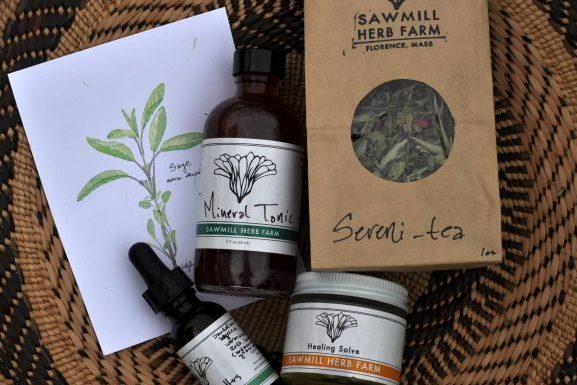
Apothecary Products
Nourish yourself and your family with a certified organic farm grown apothecary ...
-
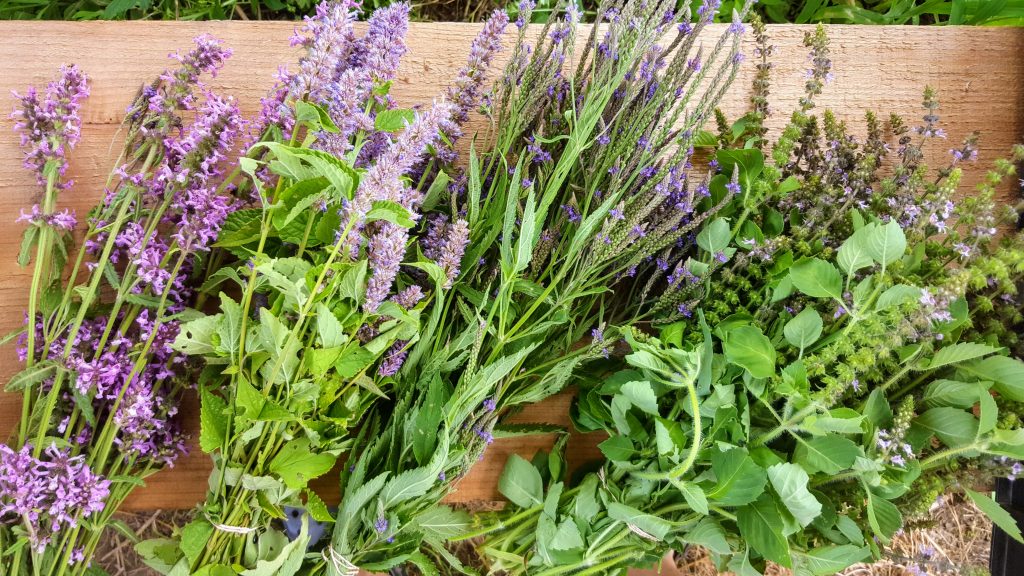
Nursery Products
Grow a thriving garden this season. We offer certified organic herb, flower...
