Herb Profile: Calendula
Calendula, Calendula officinalis
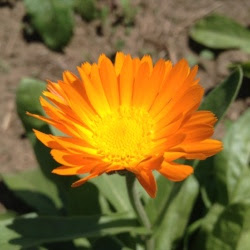
Calendula is an annual flowering plant native to the Mediterranean region and widely cultivated in temperate climates. It grows 12–24 inches tall with lance-shaped leaves and bright orange or yellow composite flowers.
Parts used: primarily the flower heads (fresh or dried).
Calendula in bloom is a sight to see! What’s so amazing about calendula? Besides being a beautiful plant and brightening up the entryway to our medicine garden, calendula is a powerful healer by promoting cell repair and an antiseptic. It is often used externally for bruises, burns, sores and internally for fevers and for GI issues. We like to tincture it or dry it for use internally (avoid while pregnant) and for external use we like to make oils and salves.
Calendula has been used in European herbal traditions for centuries, particularly for skin support. Historical texts describe its use externally for minor wounds, burns, rashes, and inflammation. It has also been used internally as a mild lymphatic and digestive herb.
Medicinal Preparations:
Oil & Salve
To make an oil with calendula, we recommend at least partially drying the flowers before making an oil as they have a high water content and can spoil the oil. A simple way to make an herbal infused oil is to place the dried flowers in a dry jar and cover them with oil (we prefer organic olive oil or jojoba oil). Cover tightly and place the jar in a warm spot and allow to steep for two to four weeks. Strain through cheesecloth. To make a more potent oil, you can then take a new batch of flowers and infuse those in the strained oil. To make a salve, on the stove top or in a crockpot add 1/4 teaspoon of beeswax to 1 oz of oil using just enough heat to melt the beeswax and evenly incorporate it into the oil. Use on cuts, bruises or wound, for dry skin or lips.
Tincture
A fresh flower tincture of calendula can be used daily as a tonic for skin issues or for candida. Read more here in relation to treating candida.
Culinary Uses
Calendula petals are edible and mildly bitter to slightly peppery.
Uses include:
- Fresh petals in salads
- Added to rice or soups for color
- Infused into oils or vinegars
- Herbal teas
Petals have historically been used as a saffron substitute for color.
Cautions/Contraindications
- Individuals with Asteraceae family allergies may experience sensitivity
- Internal use during pregnancy is traditionally used cautiously due to limited clinical safety data
Growing Calendula
Hardiness: Annual in most climates
Light: Full sun
Soil: Well-drained, moderately fertile soil
Water: Moderate
Propagation: Direct seed
Notes: Harvest flowers regularly to encourage continued blooming.
🌿 Grow, Harvest & Learn with Us This Season! 🌿
Whether you're looking to fill your apothecary with vibrant, fresh herbs, start your garden with strong, healthy seedlings, or deepen your knowledge of herbal medicine, we've got you covered.
- Join our Fresh Herb CSA to receive weekly bundles of medicinal and culinary herbs, plus guidance on how to use them.
- Pre-order seedlings to get a head start on your herb garden with our healthy plants.
- Explore our herbal education programs to learn hands-on medicine-making, plant connection, and more.
- Looking for high-quality, certified organic herbs year-round? We also offer dried herbs and small-batch tea blends, thoughtfully grown and harvested to bring you the best in herbal wellness.
Be part of a community that values resilience, self-sufficiency, and deep connection to the land. 💚
Disclaimer
These statements have not been evaluated by the Food and Drug Administration. Our products and the information provided on this website are not intended to diagnose, treat, cure, or prevent any disease.
All content is for educational purposes only and is not a substitute for professional medical advice. Please consult a qualified healthcare provider before using herbal products, especially if you are pregnant, nursing, taking medications, or have a medical condition.
We are not responsible for the content of external websites. Individual responses to herbs vary, and information provided may not include all possible precautions or interactions. Discontinue use if any adverse reaction occurs.
Shop our Apothecary and Nursery
-
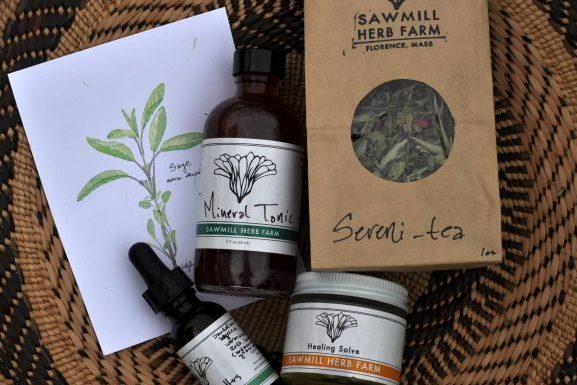
Apothecary Products
Nourish yourself and your family with a certified organic farm grown apothecary ...
-
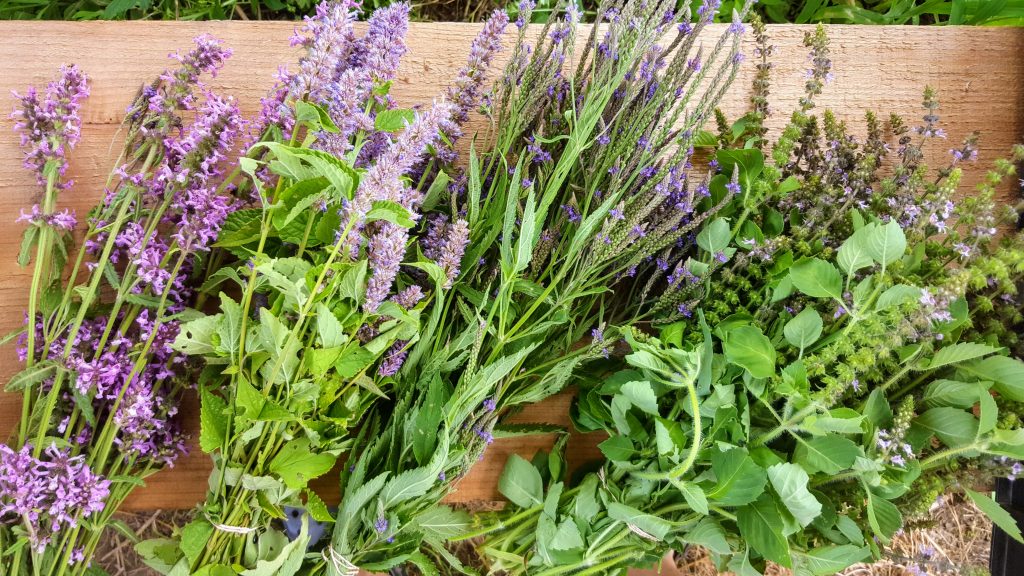
Nursery Products
Grow a thriving garden this season. We offer certified organic herb, flower...
